
Mechanical and Systems Engineers: What Contract Work Looks Like in Aerospace and Defense
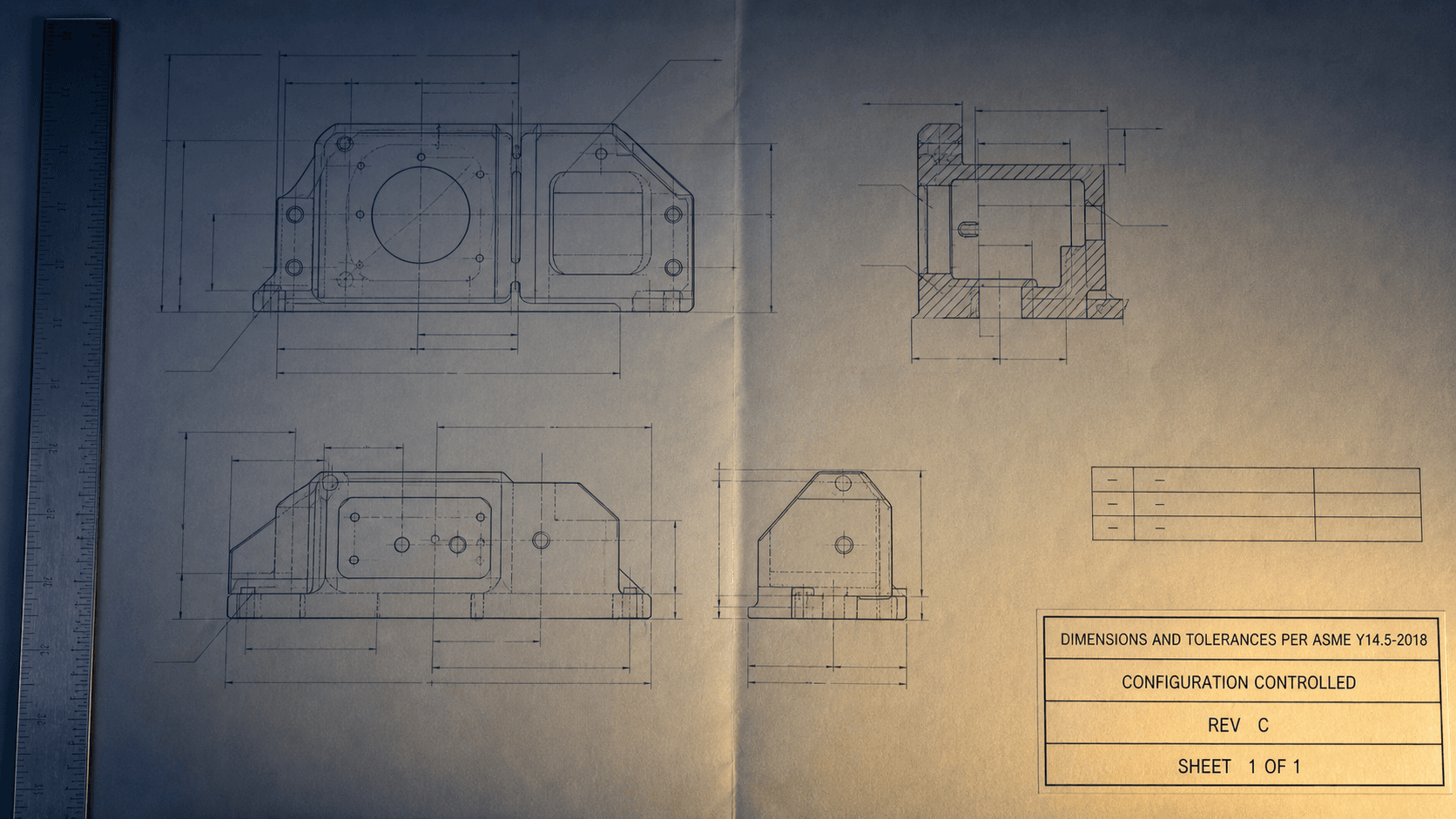
Ask a mechanical engineer what contract work means and you tend to hear about a job shop. That picture is accurate for some industries. Defense and space programs run engagements measured in years, with review gates you are personally accountable for.
Ask a mechanical engineer what contract work means and you tend to hear about a job shop. Fixture drawings, two-month assignments, somebody else's design to redline. That picture is accurate for plenty of industries.
Defense and space programs run differently, and the mechanical and systems engineers we place on them describe something close to the opposite: engagements measured in years, review gates they are personally accountable for, and a documentation burden that would be unrecognizable to somebody arriving from consumer hardware.
What Programs Bring You In For
Structure and enclosure design comes up most often. The engineers doing it say the governing constraint is survival: vibration, shock, thermal cycling, and a mass budget somebody committed to before they arrived.
Thermal is the second, and on a sealed or high-altitude assembly the thermal engineers we work with treat it as a design discipline that starts early. Conduction paths and interface materials get decided alongside the structure, and the analysis has to hold at the worst case, not the nominal one.
Then there are qualification campaigns, which suit a contract engagement unusually well. A test program has a start, an end, a fixed set of methods and a report, and it wants somebody senior who has run one before.
The fourth is systems and integration: the seat that owns the interfaces between mechanical, electrical and firmware, along with the requirements and the verification evidence. Titles move around. Systems Engineer, Systems Architect, Integration Engineer, V&V Engineer.
Why the Paperwork Is the Product
The engineers we place who have crossed over from commercial hardware describe the documentation as the real adjustment, and also as where the leverage sits.
They talk about dimensioning and tolerancing as a controlled language on these programs rather than a drafting preference. ASME Y14.5, 2018 edition, is what a drawing gets judged against, and a tolerance stackup that cannot be traced becomes a finding.
Environmental qualification runs against MIL-STD-810, currently Revision H with Change 1 dated May 18, 2022, and its method numbers become the vocabulary of your working life. The hiring managers we talk to say an engineer who can discuss a Method 514 vibration campaign in terms of what the fixture did, and where the measured response diverged from prediction, gets taken seriously in the first ten minutes.
Spaceflight structures carry their own factors. NASA-STD-5001, Structural Design and Test Factors of Safety for Spaceflight Hardware, is at Revision B with Change 3, and the engineers we work with on those programs say the standard shapes how you argue for a design as much as how you size it.
The Constraint Set Is What They Are Checking
A hiring manager reading your resume is not mainly checking whether you know SolidWorks, Creo, NX or Ansys. They are checking whether you have worked inside their constraint set.
The engineers we place who have worked both sides describe automotive as AEC-Q100 parts, high volume, cost measured in cents per unit, and a documentation trail shaped by ISO 26262. Aerospace and defense they describe as low volume, long life, formal configuration control, and a program that may outlast several engagements. Datacenter and AI hardware is thermal density above almost everything else, on a schedule that moves faster than either.
Teams are blunt about the consequence: they will take an engineer with less total experience who has run a qualification campaign in their domain over a more senior engineer who has not. Which is worth knowing before you assume a strong resume travels.
What to Lead With
Put what you released and what you owned ahead of everything else:
· Drawings released to a controlled configuration, and the standard they were released against
· Tolerance stackups you built, and what the analysis drove you to change
· FEA correlated to test, including where the model was wrong and what you did about it, which the engineers who screen this work find more persuasive than a clean result
· Qualification campaigns by method number and outcome
· Interfaces you owned across the mechanical and electrical boundary, since the teams we talk to say MCAD and ECAD integration failures surface late and the people who prevent them get remembered
Clearance and export status belong near the top of the page too. A large share of this work sits under the International Traffic in Arms Regulations administered by the State Department, and an active clearance or a documented history on ITAR-controlled programs changes which roles you can even be submitted for.
Two Things Worth Asking Before You Sign
Ask what phase the program is in and which gate is next. Preliminary design and qualification want different people, and the engineers we place say a mismatch there is the most common reason a good engineer has a bad engagement.
The second question is who owns the requirements you will work against, and whether they are stable. On a defense program that answer tells you more about your next year than the rate does.
Contract work in these disciplines rewards staying. Roughly 77 extensions per 100 placements come through our desk, and about 27 percent of engagements run past twelve months, which is long enough to take a structure from design through qualification and watch your own drawings fly. If that is the kind of program you want next, take a look at what we have open.
FAQ
Frequently Asked Questions
Do Aerospace and Defense Programs Hire Contract Mechanical Engineers?
Regularly, and the engagements run longer than most engineers expect. The mechanical and systems engineers we place on these programs describe multi-year assignments with review gates they personally own, rather than short job-shop assignments. The work clusters around structure and enclosure design, thermal, qualification campaigns, and the systems and integration seat that owns interfaces between mechanical, electrical and firmware.
What Standards Should a Mechanical Engineer Know for Defense Work?
Three come up constantly. ASME Y14.5 governs dimensioning and tolerancing, and a stackup that cannot be traced becomes a finding rather than a style note. MIL-STD-810, currently Revision H with Change 1, sets environmental qualification, and its method numbers become working vocabulary. Spaceflight structures add NASA-STD-5001 for structural design and test factors of safety. Fluency in this material is itself a hiring signal.
Does Automotive Mechanical Experience Transfer to Aerospace and Defense?
Less than most engineers assume. The engineers we place who have worked both sides describe automotive as high volume, cost measured in cents per unit, AEC-Q100 parts and an ISO 26262 documentation trail. Defense is low volume, long life and formal configuration control on programs that outlast several engagements. Teams are blunt about the consequence: they favor an engineer who has run a qualification campaign in their domain over a more senior one who has not.
Do I Need a Security Clearance for This Work?
Not for everything, but it widens what you can be submitted for substantially. A large share of this work sits under the International Traffic in Arms Regulations administered by the State Department, so an active clearance or a documented history on ITAR-controlled programs changes which roles are even open to you. Put clearance and export status near the top of your resume rather than at the bottom.
Written by
Game 7 Staff