
Mechanical Engineers
Mechanical Engineers for Thermal Design, Chassis, and NPI on Dense Hardware Programs
When the silicon dissipates 700W and the airflow budget is set by a 1U rack slot, the mechanical engineer is on the critical path. We place thermal, chassis, and NPI engineers who co-design with the board team from day one.
What they do
Thermal Architecture, Mechanical Packaging, and NPI Co-Design
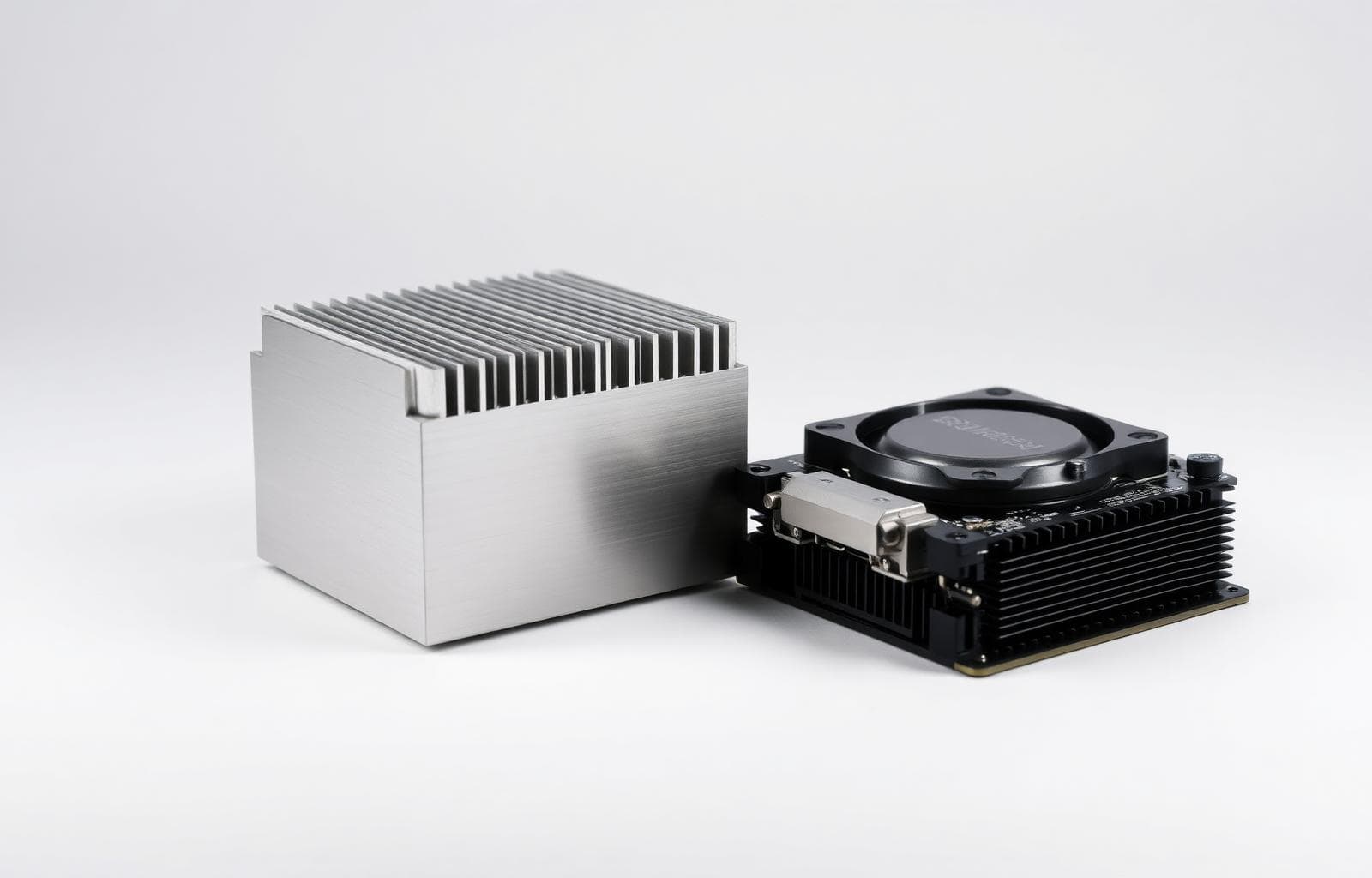
Mechanical engineers at Game 7 own the thermal and physical architecture of the product. Heat sink and cold-plate design, chassis and enclosure engineering, airflow and CFD analysis, and the NPI handoff to contract manufacturers. On AI compute and high-performance networking platforms, where TDPs of 500W+ per board are routine, mechanical engineering is not packaging-after-the-fact. It is co-designed with the board team from architecture review onward.
We place them on AI accelerator chassis, networking switch enclosures, defense and aerospace chassis programs, and semiconductor validation platforms. Engagements that demand both CAD fluency and CFD/structural simulation depth.
Scope of work
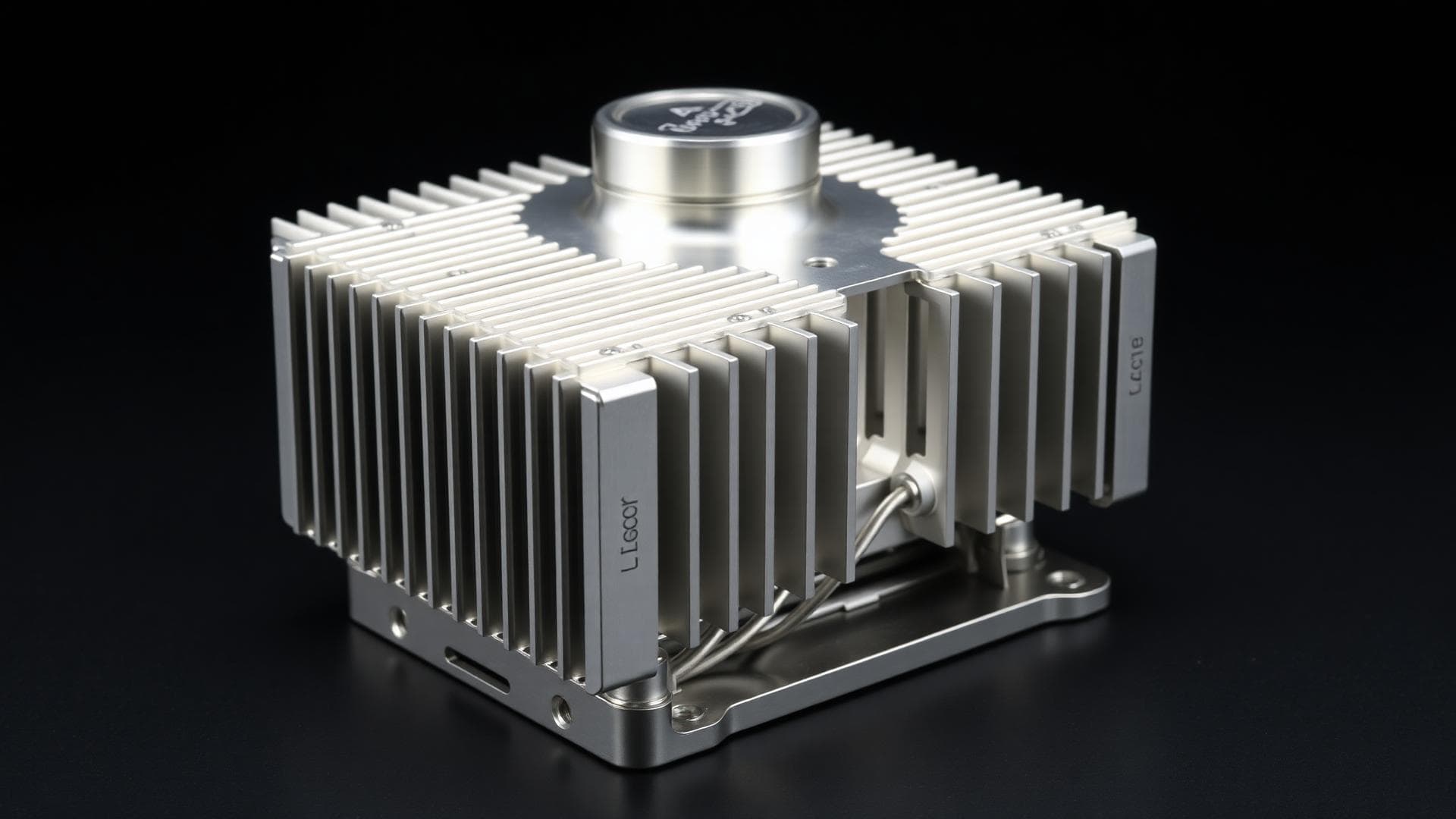
- Thermal architecture: TDP budgeting, heat sink and cold-plate design, TIM selection, and thermal stack analysis
- CFD analysis: airflow modeling, hotspot identification, fan curve selection, and rack-level thermal sign-off
- Liquid cooling design: cold plate, manifold, and coolant distribution unit (CDU) integration for AI compute
- Chassis and enclosure engineering: sheet metal, plastics, and machined assemblies for rackmount and embedded form factors
- Structural FEA: shock, vibration, and drop-test analysis for ruggedized, automotive, and aerospace platforms
- EMC/EMI mechanical strategy: shielding, gasketing, and aperture management coordinated with the electrical team
- NPI: DFM/DFA review, fixture and tooling design, pilot build support, and handoff to CM (contract manufacturer)
- Cross-discipline co-design: working with hardware, electrical, and PCB teams to balance airflow, component placement, and serviceability
Tools & Technologies
The stack our Mechanical Engineers actually ship in.
Program context
Thermal Is the Program Risk No One Wants to Discover Late
The pattern repeats across every dense hardware program: the silicon team commits to a TDP, the board team commits to a form factor, and somewhere in between the assumption is made that the mechanical and thermal solution will close. It often does not. AI compute platforms now routinely require liquid cooling because air cannot remove the heat. Networking switches require optimized airflow paths because optical modules at the front and ASICs at the back compete for the same air column. Aerospace chassis must survive shock and vibration profiles that no production hardware ever sees. Mechanical engineers who can model these problems in CFD and FEA, and translate the results into manufacturable hardware, are program-critical hires.
FAQ
Common Questions on Mechanical Engineers Staffing
When does a board program need a dedicated thermal engineer versus a generalist mechanical engineer?+
For low-power consumer and embedded products, a single mechanical engineer typically covers thermal, chassis, and NPI. For AI compute, high-performance networking, defense electronics, and any platform where total board TDP exceeds roughly 200W in still air or 500W in forced air, thermal engineering becomes a discipline of its own: CFD modeling, heat sink optimization, fan-curve and acoustic trade-offs, and increasingly liquid-cooling design. We staff dedicated thermal engineers as a separate profile from chassis-focused mechanical engineers.
Can Game 7 place mechanical engineers for liquid-cooled AI compute platforms specifically?+
Yes. Liquid cooling, meaning cold plates on the silicon, manifolds across the board, and rack-level CDU integration, has shifted from niche HPC technology to a mainstream requirement for AI training and inference platforms. Engineers with cold-plate design experience, manifold flow analysis, leak-mitigation strategy, and CDU integration depth are in high demand. We treat this as a distinct subspecialty within mechanical engineering and match against demonstrated liquid-cooling program experience.
How does NPI mechanical engineering fit into a hardware program?+
NPI mechanical engineers bridge the gap between a working prototype and a manufacturable product: DFM/DFA review with the contract manufacturer, fixture and tooling design, first article inspection support, and pilot build coordination. They prevent the expensive failure mode where a chassis that assembles by hand in the lab fails in volume because a tab tolerance was not designed for. For programs transitioning from validation to pilot or volume production, a dedicated NPI mechanical engineer is a high-leverage hire, and one of the most common targeted mechanical engagements we staff.
Related disciplines
Cross-Links Across the Team
Board Hardware Engineers from Schematic to Bring-Up
Board architects who set the TDP, form factor, and serviceability requirements.
Electrical & Hardware →Electrical Engineers for Power Delivery, Board Validation, and Signal & Power Integrity
Electrical engineers who own the EMC strategy that mechanical shielding implements.
jason.eisenberg@game7staffing.com →Chiplet, 2.5D, and 3D IC Packaging Engineers
Package engineers whose thermal stack the mechanical team designs around.
Let's talk
Need a Mechanical Engineer?
Tell us the program. We'll send a shortlist of 2-4 qualified engineers within days.